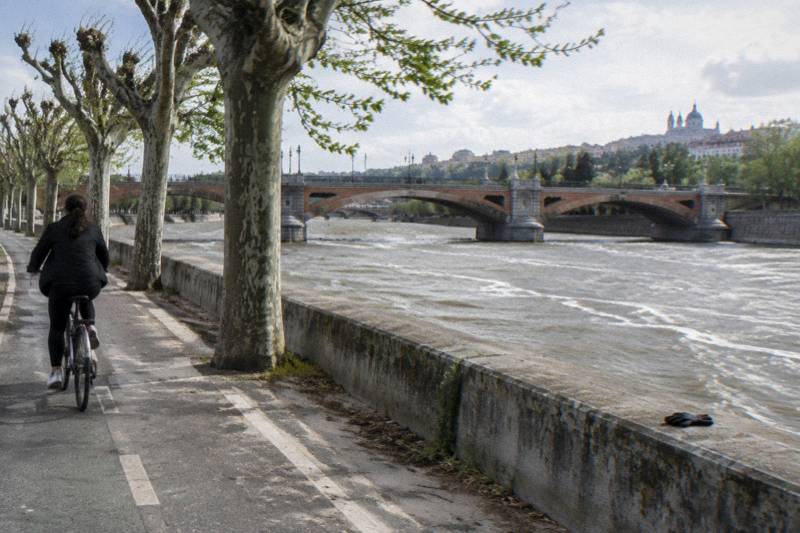
Cycling Routes In Madrid: Parks, Riverside And Hilly Options
Madrid's best riding sits in three places: the redeveloped river corridor, the huge former royal hunting ground of Casa de Campo, and the classic park lanes of Retiro. Here is how each route works, what the rules allow, and which guided rides cover them.
What Are The Best Cycling Routes In Madrid?
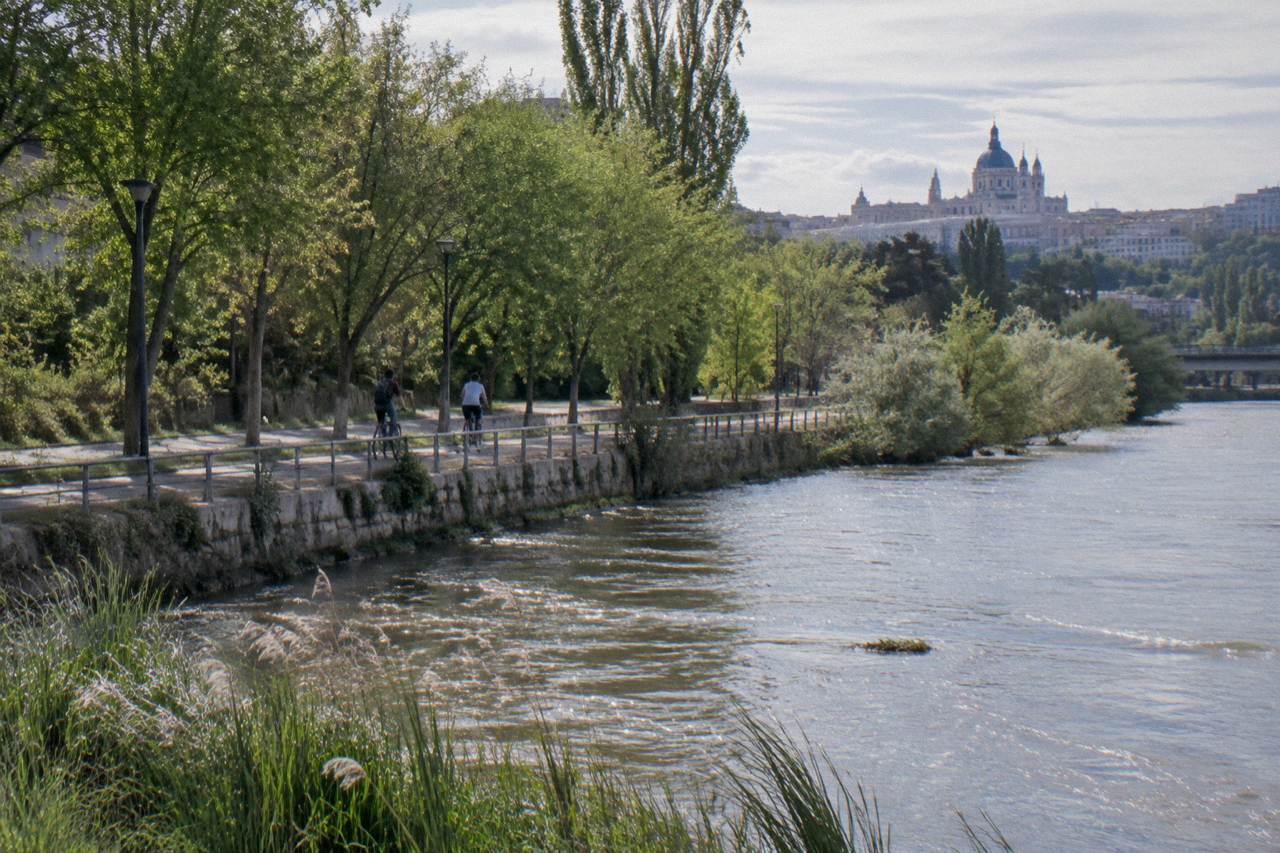
The three headline routes are the Madrid Río riverside corridor along the Manzanares, the wide paved roads of Casa de Campo to the west, and the park lanes of El Retiro in the centre, and all three connect, at least loosely, to the city's bike-lane network. Madrid is compact with serious hills on its edges, so casual riding happens on the flat river and park corridors while hill riders head west and north. If the western hills appeal, the guide to Casa de Campo covers park rules, the lake, and the easiest ways in from the centre.
Madrid is not Amsterdam. The cycling here is shaped by geography: a plateau city cut by the Manzanares river valley, with a flat riverside corridor at the bottom and neighbourhoods climbing away from it on both sides. That makes route choice matter more than in flatter capitals. Pick the river and the parks and the riding is gentle; pick the northern districts or the western hills and you will earn your views.
The routes below follow the places the guided tours actually ride, because those are the corridors the city has invested in. A good starting point for the geography is the Madrid Río park guide, which covers the river corridor's layout and what sits along it.
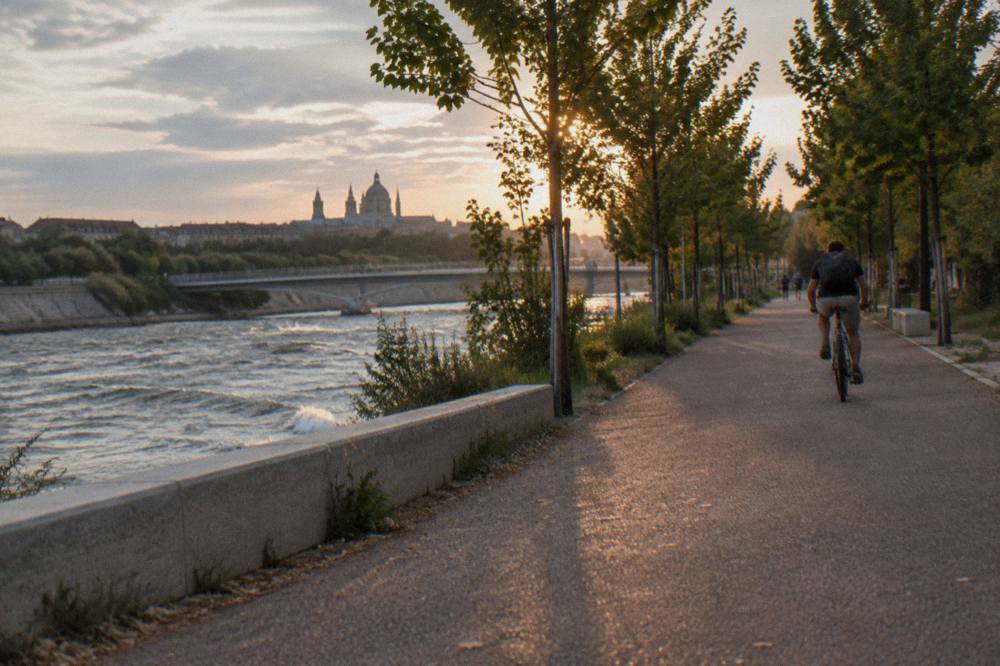
For riders who would rather not plan a route alone, the riverside and park corridors are exactly what the guided options cover. The "Bike or E-Bike Parks Ride" runs 2 hours from Calle de Santiago for from $40.18 per person, rated 4.9 across 18 reviews, and pairs the river with Casa de Campo in one loop.
Can You Ride Along The Madrid Río Riverside?
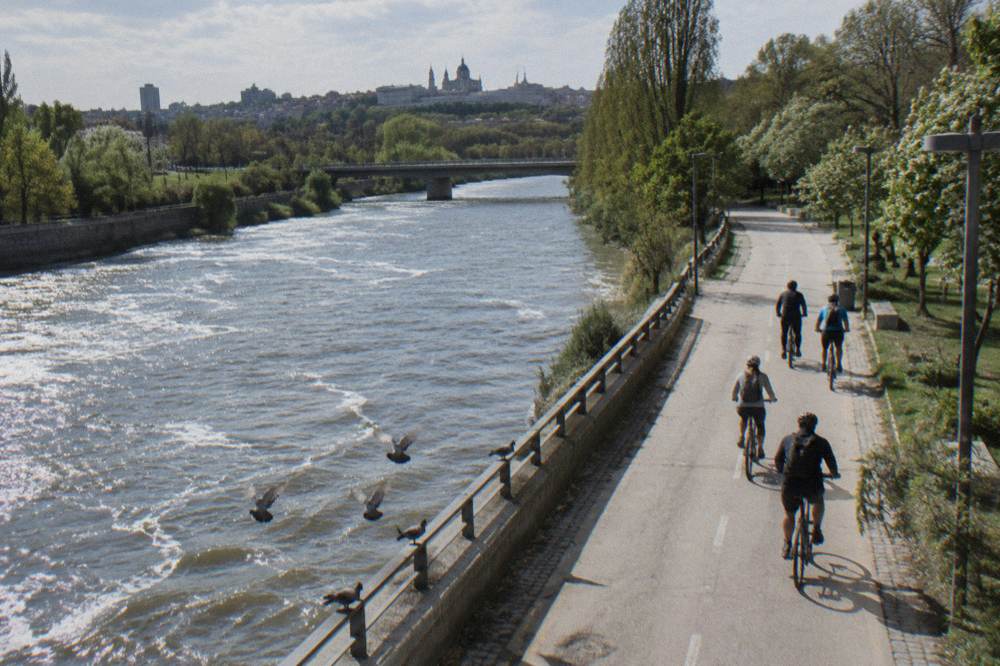
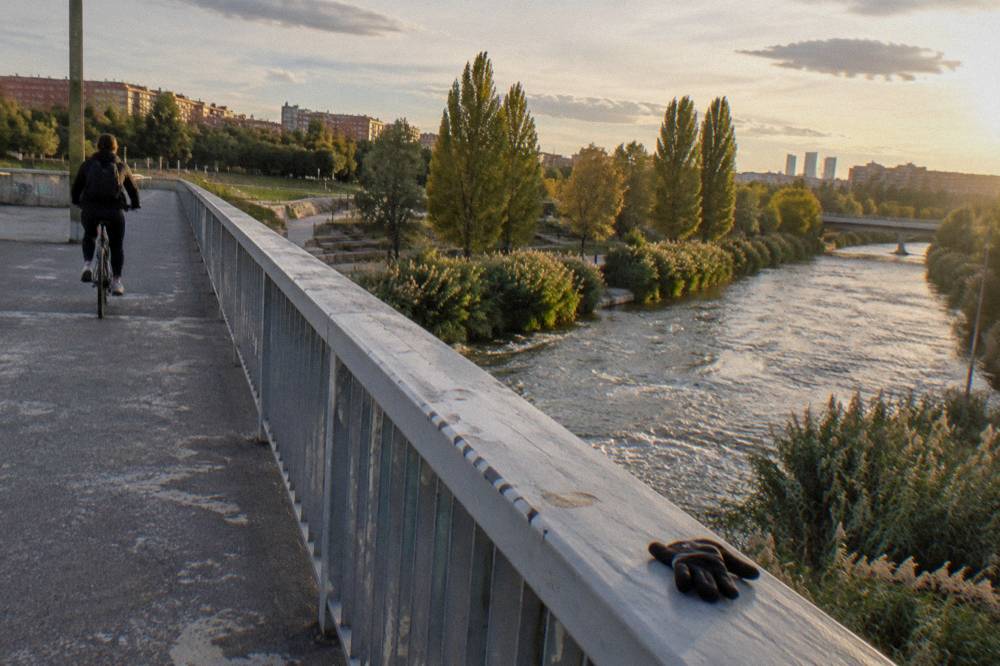
Yes, and it is the flattest, most beginner-friendly riding in the city. Madrid Río is a linear park built along the Manzanares after the buried motorway trench was decked over, and its riverside paths are shared with pedestrians at a slow pace. The corridor links central bridges to Matadero Madrid and the green crossings toward Casa de Campo, so a rider can string together a long flat out-and-back without ever touching traffic.
The river corridor is where Madrid's cycling story visibly changed. What was a motorway trench is now a chain of paths, playgrounds and bridges, and the whole length is rideable at an easy pace. The paths are shared, not segregated racing lanes, so the riding style is relaxed, with pedestrians given priority. Riders who want the full picture of what lines the banks can read the Madrid Río park guide for the landmarks along the way.
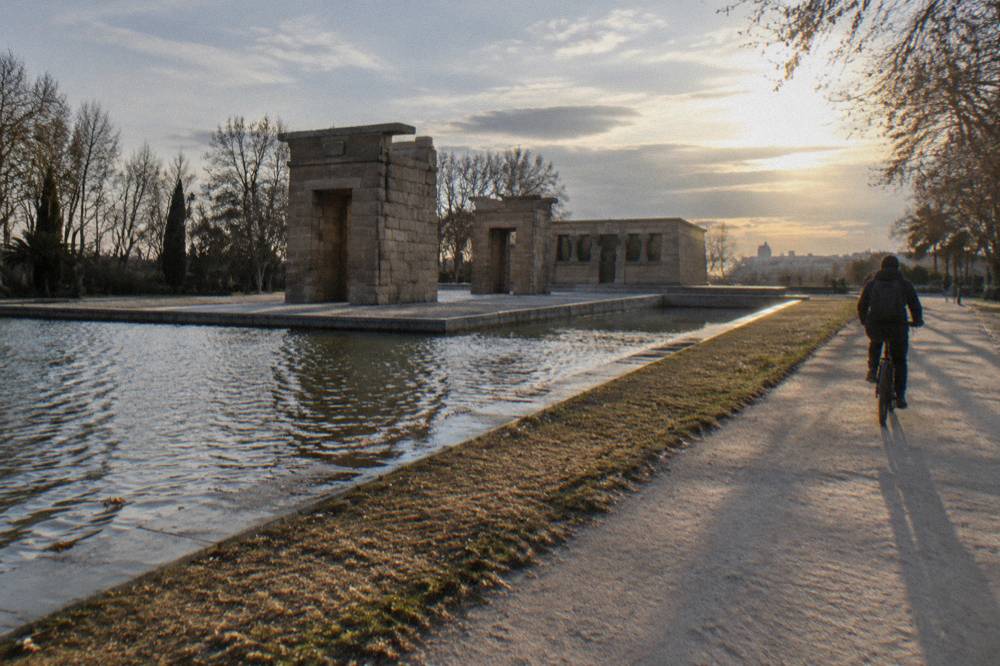
A table of the guided rides that cover the river and the park next door:
| Ride | Duration | Rating | From price | Route focus |
|---|---|---|---|---|
| Bike or E-Bike Parks Ride | 2 hours | 4.9 from 18 reviews | $40.18 per person | Riverside and Casa de Campo |
| Casa de Campo E-Bike | 2 hours | 4.6 from 107 reviews | $44.00 per person | River side and Casa de Campo |
| Parks and Riverside Bike Ride | 3 hours 15 minutes | 4.8 from 29 reviews | $40.18 per person | Parks and river corridor |
| Private or Shared E-Bike City | 3 hours 5 minutes | 4.9 from 31 reviews | $51.66 per person | City centre, river and parks |
The 3 hours 15 minutes "Parks and Riverside Bike Ride" is the deepest version: it starts at C. de Juan Álvarez Mendizábal, 19, keeps groups to 10 riders, and includes the bike, a helmet and a guide, with from $40.18 per person as the starting figure. The 2-hour "Casa de Campo E-Bike" from Calle de Santiago, 18 covers similar ground on electric bikes for from $44.00 per person and suits riders who want the assist for the climb back out of the river valley.
The conversation about guided versus independent river riding continues below, but the short version: the corridor is easy to ride alone at a slow pace, and a guide adds the history and removes the navigation. Riders weighing the two formats across the whole city can also compare the options in Madrid bike tour versus rental.
Is Casa De Campo Good For Cycling?
Yes, and it is the biggest open riding space within reach of the centre. Casa de Campo is a former royal hunting estate with paved roads and wide dirt paths open to bikes and a 20 km/h speed cap for cyclists. Cross-country riding and narrow trails are off limits, and there is no BiciMAD docking station inside the park, the nearest sits at Príncipe Pío.
Casa de Campo is where Madrid riders go for distance without junctions. The park rules, published by the city's tourism office, allow bikes on paved roads and wide dirt paths only, cap speed at 20 km/h, and ban trail and cross-country riding outright, so the riding is steady cruising rather than mountain biking. The official Casa de Campo cycling guidance sets out those conditions, and it also notes that guided bike tours run in the park by reservation.
The climb is the honest caveat. Reaching the park from the river means ascending out of the Manzanares valley, which is why several guided options put everyone on e-bikes. The terrain is the subject of the dedicated Casa de Campo bike tour guide, which covers access points and what the tours there include.
- City Highlights Rides$29
- Parks And Madrid Río Rides$33.29
- Night And Sunset Rides$40.18
- Day Trips From Madrid$40.18
- E-Bike Tours$41.33
- Private Bike Tours$43.63
Riders who want the views without the pedalling effort have a strong option in the "E-Bike Panoramic Views, Parks" tour: 3 hours from C. de Felipe IV, 10 for from $41.33 per person, rated 4.9 across 30 reviews, capped at 14 riders, with bike, helmet, guide and bottled water included.
Beyond that tour, the park pairs naturally with the river in a single loop, which is exactly how the featured "Bike or E-Bike Parks Ride" is built. It runs 2 hours from Calle de Santiago, 18, lets each rider choose a regular bike or an e-bike, keeps groups to 25 maximum, and starts from $40.18 per person, with the total depending on group size. Readers curious about that specific ride can check availability alongside the Madrid Río ride guide, which walks the same corridor from the river side.
What Is Cycling In Retiro Park Like?
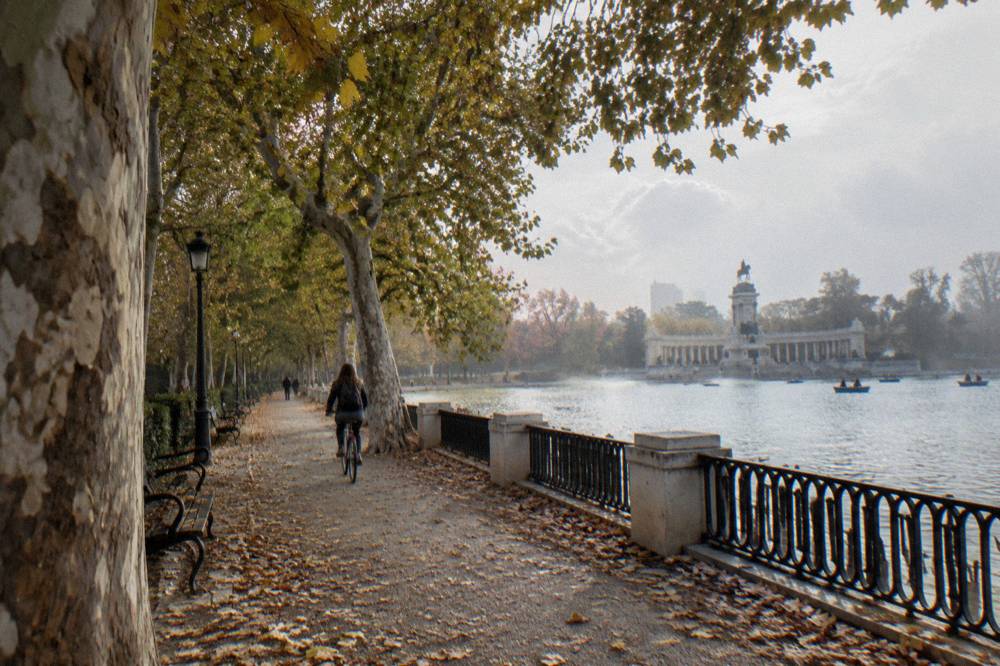
Retiro offers the classic central-Madrid ride: tree-lined avenues, the pond and monument plazas, and a compact loop that takes well under an hour at park pace. Bikes are allowed on the park's paths, with pedestrians given priority and the pace kept slow; the city FAQ describes park riding as permitted on the wider paths at low speed. Guided Retiro rides run 2 hours, from $33.29 to $44.77 per person. Before you roll in, our full guide to cycling rules in Retiro Park spells out exactly which paths welcome bikes and how to plan the ride.
Retiro is the smallest of the three headline spaces but the most central, sitting next to the Prado and the Salamanca district edges. The riding is gentle promenade cycling rather than exercise, and because the park is small, tours usually fold in the surrounding landmarks. The dedicated Retiro park guide covers what to look for between the gates.
| Retiro ride | Bike type | Duration | Reviews | From price |
|---|---|---|---|---|
| Retiro History Ride | Regular bike | 2 hours | 8 reviews so far for this tour | $33.29 per person |
| Retiro E-Bike, Semi-Private | E-bike | 2 hours | 4.1 from 28 reviews | $44.77 per person |
| Private City Center and Retiro | E-bike | 2 hours | 8 reviews, a small sample so far | $44.77 per person |
The "Retiro History Ride" frames the park through its royal-garden past, in a group capped at 25, with bike, helmet and guide included. The "Retiro E-Bike, Semi-Private" trims the group to 8 and adds the electric assist for riders who want to combine Retiro with the surrounding hills.
The XVI century Retiro ride and the private City Center and Retiro e-bike tour have just 8 and 11 reviews, where a star rating means little, so treat them as route choices rather than proven quantities. The semi-private e-bike version has the deeper review pool at 28, rating 4.1.
Are There Bike Lanes In Madrid?
Yes, Madrid has a real bike-lane network, but with a twist riders from northern Europe often miss: using the lanes is optional unless a sign makes them mandatory. The city's cycling FAQ states that bikes ride on the carriageway, in the centre of the lane where needed, with bike lanes preferred but not compulsory except where posted. Pavements and pedestrian streets are closed to bikes, and two riders side by side are allowed in one lane.
That rule changes how the network feels. In practice most riders take the lanes where they exist, and the corridors along the river, the Paseo del Prado area and the newer ciclocalles form the useful spine. The authoritative wording, including the pavement ban and the side-by-side allowance, is in the Ayuntamiento de Madrid cycling FAQ.
The lane network's weak points are the gradients and the M-30: bikes are prohibited on the M-30 motorway and its access ramps, which pushes cross-city riding onto the surface streets and the river corridor. A quick summary of what the city rules allow:
| Situation | What the city rules say |
|---|---|
| Bike lane present | Preferred, optional unless a sign makes it mandatory |
| General carriageway | Bikes ride on the road, centre of lane where needed |
| Pavements and pedestrian streets | Closed to bikes, except signed bike-pavements at max 10 km/h |
| Riding two abreast | Allowed in one lane unless risky, banned in reserved bus lanes |
| M-30 and access ramps | Bikes prohibited |
| Parks and gardens | Permitted on the wider paths, slow speed, pedestrians first |
For riders who would rather let someone who knows the corridors lead, the Madrid highlights bike tour guide covers the classic centre circuit, which stitches together lanes, plazas and the Retiro edge.
What Are The Rules For Cycling In Madrid Parks?
Park riding in Madrid is permitted but pedestrian-first: bikes travel the wider park paths at low speed with priority given to people on foot, and Casa de Campo is the park that sets a numeric cap of 20 km/h. Helmets are mandatory for riders under 18 in the city and recommended for adults, per the Ayuntamiento, and phones and connected headphones are banned while riding.
Two clarifications matter for visitors. First, the conflicting numbers floating around for general park speed limits should be ignored in favour of the simple principle: ride slowly and give way. Casa de Campo's speed limit is not mentioned, so check before riding. Second, the helmet question has a city answer and a national answer, and for Madrid the stricter city rule applies: under 18, mandatory, attributed to the Ayuntamiento; adults, recommended.
There is also a national reform now in force. Since 1 October 2026, following the DGT regulation update, the previous helmet exemptions on interurban roads are removed, so any ride that leaves the city, such as the Segovia or El Escorial e-bike day trips, now means a helmet for everyone, not just minors. Tour operators supply helmets where the tour details say so.
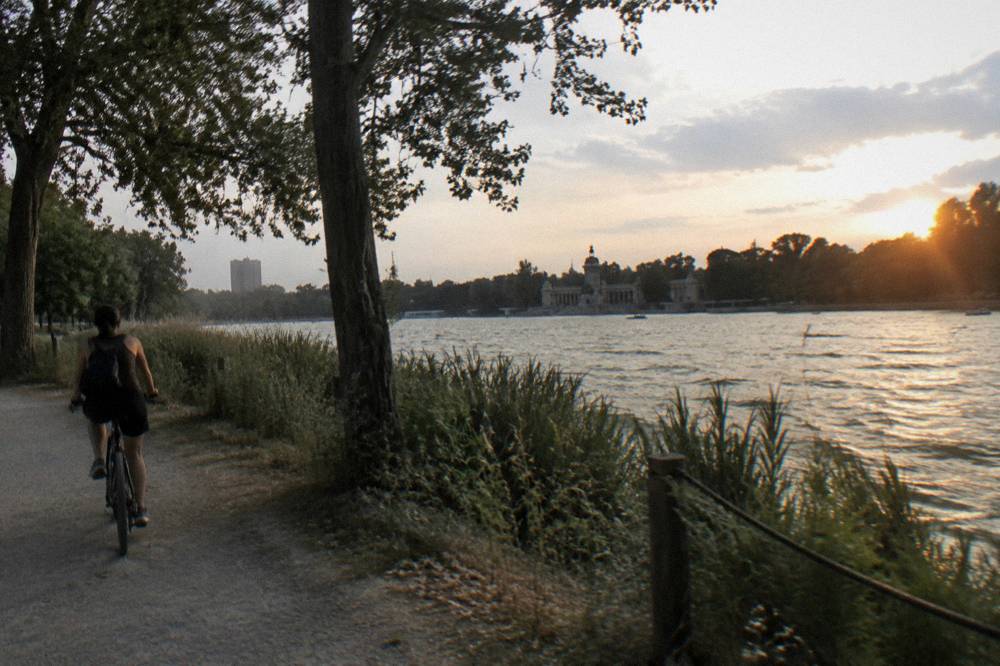
The rules do not make Madrid difficult to ride; they make it a slow-park, fast-corridor city. Follow the guided tours' example: steady on shared paths, assertive on the road where the FAQ permits the centre of the lane.
When Is The Best Time To Ride Madrid Routes?
Spring and autumn are the prime windows: April and May average 12.9 and 16.7 °C, and October 15.1 °C, against July and August means of 25.6 and 25.1 °C with average daily maxima above 31 °C. October is also the wettest month at 60 mm, ahead of November at 58 mm, so the shoulder seasons trade heat for a modest rain risk.
The heat is the real planning variable. Madrid sits on a plateau and July afternoons regularly average over 32 °C at the Retiro weather station, which is why sunset and evening rides exist as a format and why the river corridor's shade is worth more in August than any route feature. The numbers behind this come from the AEMET climate normals for Madrid Retiro, the standard 1981 to 2010 reference series.
| Month | Mean C | Mean daily max C | Rain mm | Rain days | Clear days |
|---|---|---|---|---|---|
| March | 11.2 | 16.3 | 25 | 4.1 | 7.5 |
| April | 12.9 | 18.2 | 45 | 6.7 | 5.4 |
| May | 16.7 | 22.2 | 50 | 7.3 | 4.6 |
| June | 22.2 | 28.2 | 21 | 3.4 | 9.4 |
| July | 25.6 | 32.1 | 12 | 1.7 | 17.5 |
| August | 25.1 | 31.3 | 10 | 1.7 | 13.6 |
| September | 20.9 | 26.4 | 22 | 3.3 | 8.1 |
| October | 15.1 | 19.4 | 60 | 6.9 | 6.3 |
Riders locked into a summer trip should plan around the chart: morning or evening slots, the shaded river corridor, and e-bikes to cut effort in the heat. July and August compensate with 17.5 and 13.6 clear days respectively, the sunniest stretch of the year. The cycling Madrid summer heat guide goes deeper on timing and gear, and the best time to cycle Madrid guide compares the seasons month by month.
Should You Ride Alone Or Take A Guided Tour?
Riding alone in Madrid is realistic on the river corridor and in the parks, where the paths are obvious and traffic-free, but a guided tour adds route knowledge, the helmet-and-rules details handled for you, and a pre-planned loop linking Madrid Río and Casa de Campo without any planning. Guided riverside rides start at from $40.18 per person; a BiciMAD session costs 0.50 EUR for the first 30 minutes. To see exactly what each guided ride includes before committing, the full guide to Madrid cycling tours compares the options, durations, and starting points.
The trade-off is control against convenience. Independent riders get to set their own pace and stop where they like, at the cost of working out lane rules, park access and the climb out of the river valley. The self-service route is covered in the BiciMAD guide, which explains the tariff structure, the 10 EUR monthly pass, and why the tourist travel pass does not include the bike-share.
Guided riders get the corridors pre-planned.
A few decision points worth naming. Families should check the Madrid bike tour with kids guide for child-seat and pace questions, and confirm child rules on the booking page before reserving. Beginners uncertain about riding in traffic should lean toward the park and riverside tours precisely because they minimise road time, a case made in the Madrid bike tour for beginners guide. And anyone comparing electric against pedal power on these hills can weigh it up in the e-bike versus regular bike comparison.
| Choice | Best for | Typical cost anchor |
|---|---|---|
| Guided riverside tour | First visit, no planning, history and context | From $40.18 per person |
| Self-guided with BiciMAD | Short flat rides along Madrid Río | 0.50 EUR first 30 minutes |
| Private guided ride | Families, set pace, custom route | From $43.63 per person, total depends on group size |
| E-bike guided ride | Casa de Campo climbs, summer heat | From $41.33 per person |
Whichever lane a rider picks, Madrid Bike Tours exists to make that choice concrete: the routes are easy once someone shows you where they connect.
Common Questions About Cycling Routes In Madrid
Are There Bike Lanes In Madrid?
Yes. Madrid has a growing bike-lane network along the river, the central boulevards and the ciclocalles. The city's cycling FAQ says lane use is preferred but optional unless a sign makes a lane mandatory, that bikes otherwise ride on the carriageway in the centre of the lane, and that pavements and pedestrian streets are closed to bikes.
Can You Ride Along The Madrid Río Riverside?
Yes. The Madrid Río corridor is a linear park with riverside paths open to bikes, shared with pedestrians at a slow pace. It is the flattest riding in the city and links the centre toward Casa de Campo. Several guided tours cover it, starting from $40.18 per person for 2 hours.
Is Casa De Campo Good For Cycling?
Yes. Bikes are allowed on the paved roads and wide dirt paths of Casa de Campo, capped at 20 km/h, with cross-country and trail riding banned. There is no BiciMAD station inside the park; the nearest is at Príncipe Pío. E-bike tours are popular here because of the climb from the river valley.
What Is Cycling In Retiro Park Like?
Retiro offers short, gentle park riding on tree-lined avenues with pedestrian priority. Guided Retiro rides run about 2 hours, from $33.29 per person on a regular bike to $44.77 per person on a semi-private e-bike. Most tours combine the park with nearby central landmarks.
Do You Need A Helmet On Madrid Routes?
In the city, a helmet is mandatory for riders under 18 and recommended for adults, per the Ayuntamiento. Since 1 October 2026, helmet exemptions on interurban roads are removed, so rides leaving Madrid, such as the Segovia and El Escorial day trips, require a helmet for everyone. Tours that include helmets state so on their booking pages.
Should You Ride Alone Or Take A Guided Tour?
Alone works well on the flat river corridor if you are comfortable with shared paths and the city's road rules. A guided tour handles the route, the rules and the bike, and the riverside and park tours link Madrid Río and Casa de Campo in 2 to 3 hours 15 minutes from $40.18 per person, with free cancellation on the booking pages of the options listed here.